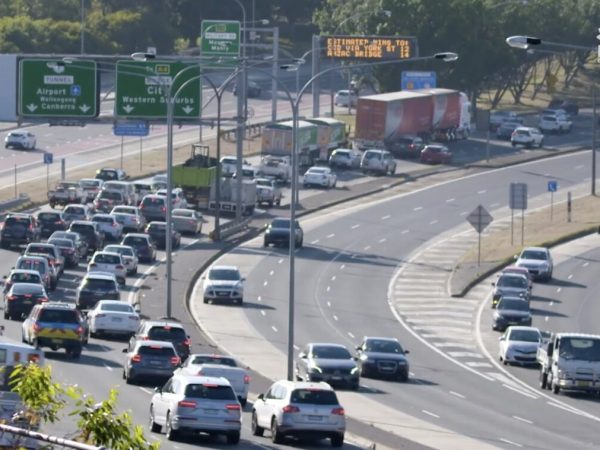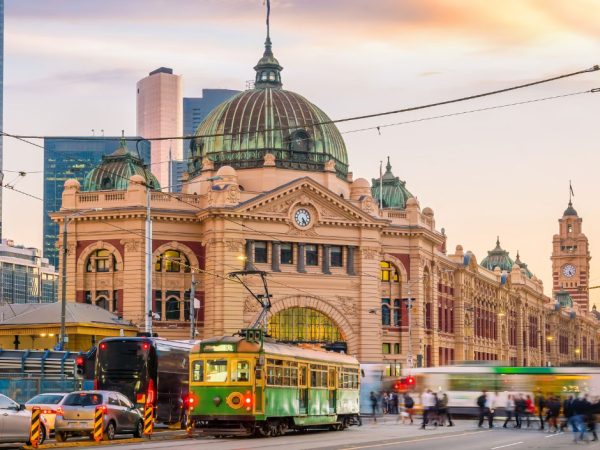
The Victorian Government’s decision to cancel the 2026 Commonwealth Games was a huge blow to the many Australian athletes who have spent years training in anticipation of completing on home soil. However, the effects of this relatively last-minute decision have a much wider reach than just Australia’s sporting community, with hundreds of food and beverage vendors counting on the influx of initial visitors, particularly in the regional areas, as well as the opportunity to showcase the area for future tourism.
The cancellation represents a significant economic loss for the state in revenue from the many venues, restaurants and hotels, and in turn the food and beverage producers who would have supplied them. For the regional centres that were set to play a part, including Geelong, Bendigo, Ballarat, Gippsland and Shepparton, the effect on the small food and beverage vendors has come at an already very difficult time. A report by ISB found small businesses were already facing significant challenges this year from increased supply costs, inflation and interest rate hikes, many small businesses may find the additional downturn from the cancellation of the games pushes them to breaking point.
For the larger players in the industry, the greater concern will be on the impact on sponsorship and partnerships, the cancellation has certainly disrupted sponsorship agreements and partnerships established in anticipation of the Commonwealth Games. Those companies and organisations who invested, looking to brandish their food and beverage sponsorships on the world stage may not only face the financial losses associated with contract cancellations, but they may also lose future lucrative collaborations.
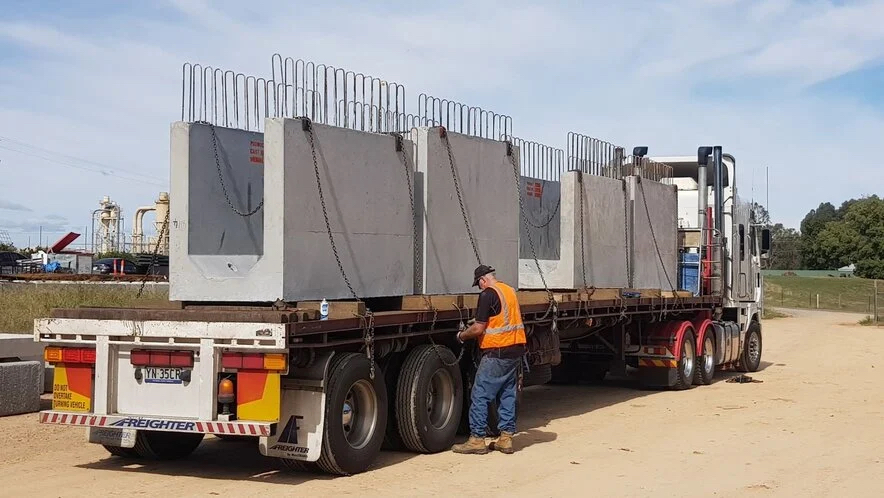
In addition to this, another major blow to the food and beverage industry is the cancelled infrastructure development. All of the planned construction of stadiums, sports facilities, and transportation systems were set to bring large teams of construction and transport to the areas involved, increasing the demand for hospitality long before the Commonwealth Games began. The need for housing and hospitality for all of the workers was certainly part of the initial boost. These infrastructure projects would have then provided long-term benefits for the future, attracting further investments, bringing more sports and entertainment events to the area and encouraging tourism.
Fortunately for the rural area, there has been a lifeline by the Victorian Government, in the form of a $2 billion support package made available to the affected regions, though exactly where these funds will be directed has not been confirmed, the Victorian Tourism Industry Council is working closely with the State Government on a Regional Tourism Fund. It is hoped that this injection into the area will help negate the business and expected job losses in the food and hospitality industry.
Whichever way you look at it, the cancellation of the Victorian Commonwealth Games has hurt many major industries including construction, event management, hospitality, and tourism both immediately and in the years to come. The follow-on effect reaches into transport, logistics, food and manufacturing. The Victorian Government has made it clear that the Games were untenable after a tremendous cost blowout but there is still a long way to go to regain the trust of those who have felt the decision first-hand.